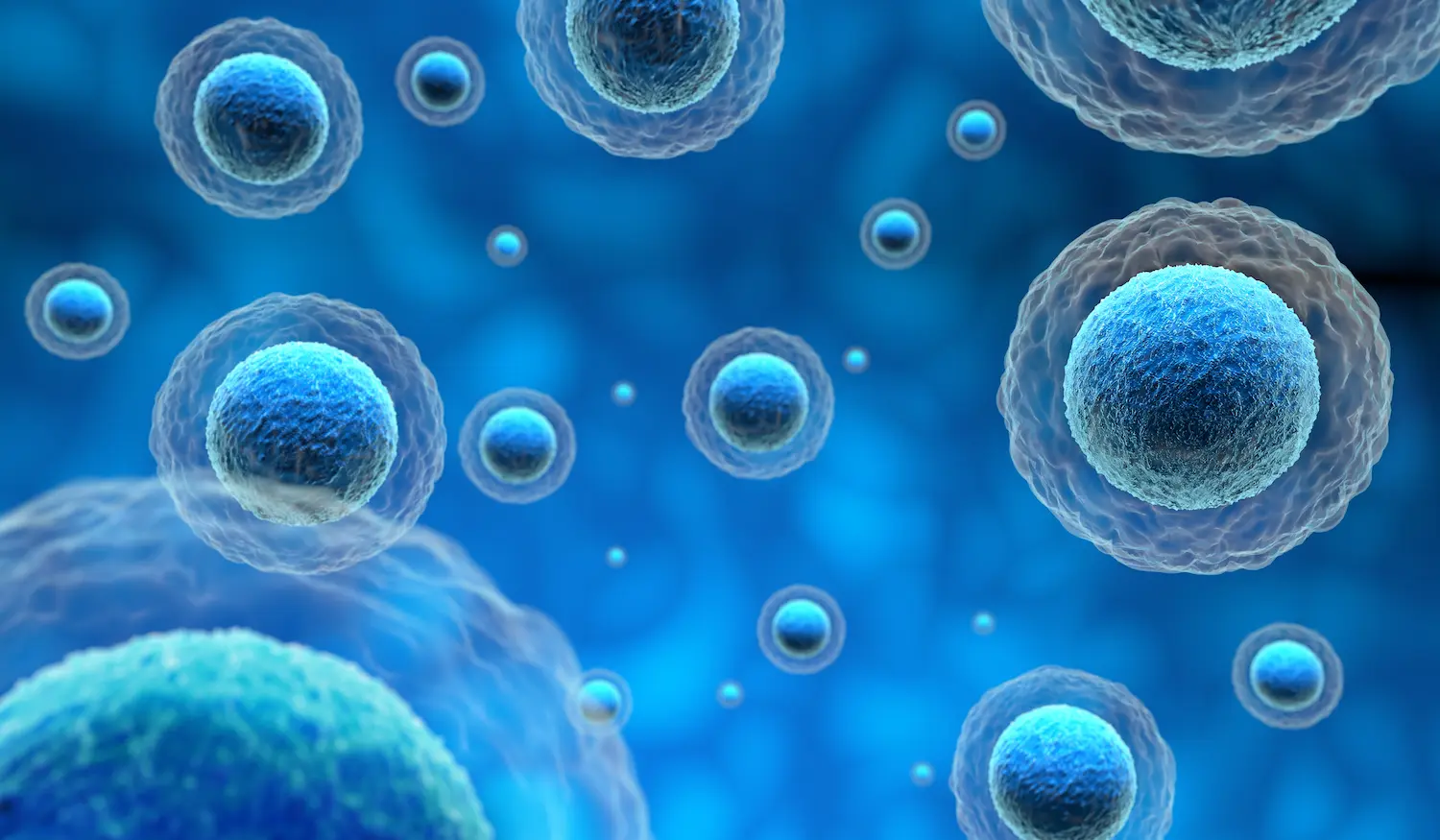
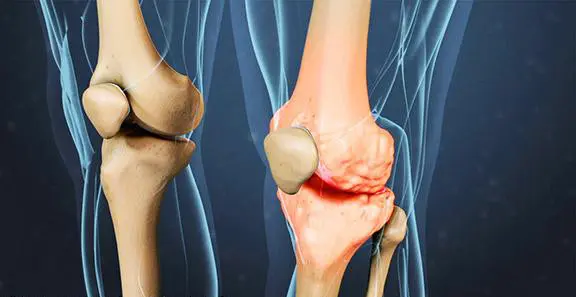
This is an updated review addressing the application of Mesenchymal Stem Cells (MSCs) in bone regeneration, especially in the context of extensive bone defects, delayed union, or non-union, conditions that represent a significant challenge for orthopedic surgery.
1. Key Mechanisms
The review emphasizes the dual role of Mesenchymal Stem Cells (MSCs):
Direct Differentiation
Mesenchymal Stem Cells (MSCs) are multipotent cells that can directly differentiate into osteoblasts (bone-forming cells) and chondrocytes (cartilage cells), an essential process for endochondral ossification (similar to skeletal development).
Paracrine Effect
They also secrete a variety of trophic factors that stimulate tissue regeneration, modulate inflammation, and promote blood vessel formation.
2. Therapeutic Strategies
The article discusses various clinical application strategies, including direct injection, the use of bone marrow aspirate concentrate (BMAC), and, crucially, the integration of Mesenchymal Stem Cells (MSCs) with tissue engineering scaffolds to create bioactive bone grafts that better mimic the structure of natural bone.
3. Clinical Potential
It confirms that both animal studies and clinical trials have demonstrated the effectiveness of Mesenchymal Stem Cells (MSCs) in accelerating healing and mineralized bone formation.
Benefits of Mesenchymal Stem Cells (MSCs) According to the Article (In Bone Regeneration)
The article highlights the following key benefits of Mesenchymal Stem Cells (MSCs) for hard tissue repair:
1. Osteogenic Capacity (Bone Formation)
They are direct precursors of osteoblasts, allowing the replacement of the defect with new functional bone at the injury site.
2. Promotion of the Healing Microenvironment
Angiogenesis
Mesenchymal Stem Cells (MSCs) promote vascularization at the fracture or defect site, which is vital for nutrient supply and survival of newly formed bone tissue.
Regulation of Inflammation
Their ability to suppress the local immune response helps create a microenvironment that favors regeneration rather than fibrous tissue (scar) formation.
3. Application in Critical Defects
The injection or implantation of Mesenchymal Stem Cells (MSCs) has been shown to be an effective strategy for treating non-union, even in cases where traditional techniques have failed.
4. Versatility in Tissue Engineering
Mesenchymal Stem Cells (MSCs) are the ideal cellular component for designing personalized bone grafts when combined with biomaterial scaffolds, allowing the creation of bone substitutes with improved structure and function.