Regen Biolabs

Cell science
for a more human future

Scientific evidence

Umbilical cord MSC and exosomes:

neuroprotective potential

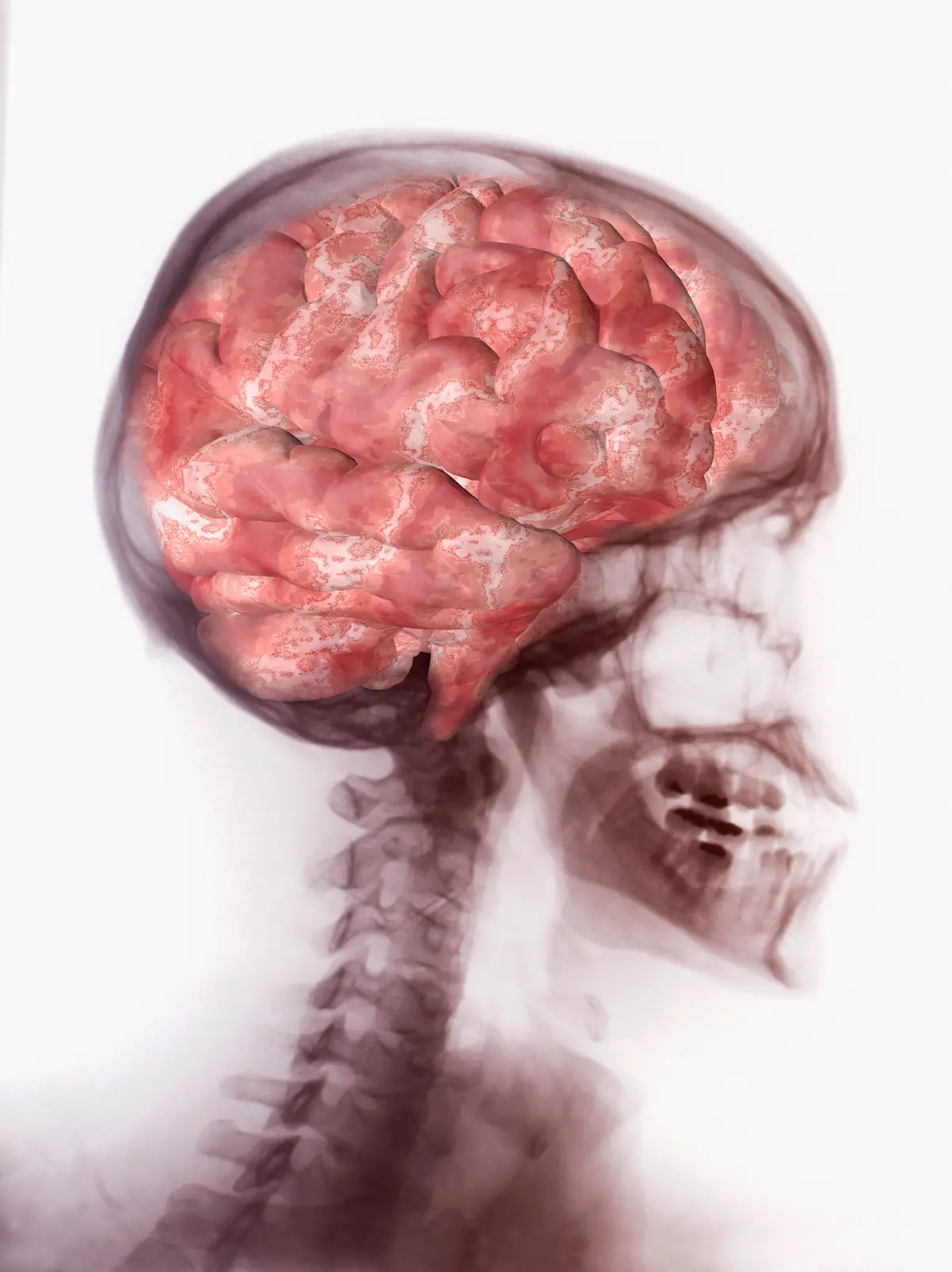
Recent studies have explored the potential of umbilical cord MSCs and their exosomes to protect neurons, modulate inflammation and support regeneration in neurodegenerative diseases such as Parkinson's.

Cerebro con exosomas de MSC y neuronas dopaminérgicas
MSC exosomesDopaminergic neurons

How do they act?

+Reduce microglia activation and neuroinflammation
+Protect dopaminergic neurons
+Support neuronal survival
+Modulate the neuronal microenvironment

Featured study

Zhang et al. (2023)

  • hUCMSC exosomes in a Parkinson's model
  • Uptake by neurons and microglia
  • Reduced inflammation
  • Protection of the dopaminergic system
Zhang et al. (2023)

Umbilical cord MSC exosomes showed neuroprotective effects and greater neuronal survival in experimental models.
MSC and exosomes in autism:

modulating inflammation for better development

Autism spectrum disorder (ASD) has been linked to neuroinflammatory processes and altered communication between nervous system cells. Recent research suggests that umbilical cord MSCs and their exosomes may modulate the immune response, reduce inflammation and support a healthier neuronal environment.

Niño mirando al futuro

Potential benefits

Modulate neuroinflammation
Support neuronal communication
Support brain development and plasticity
Contribute to better immune system balance

Relevant scientific evidence

Chang et al. (2020)

UC-MSC in children with ASD: improvements in behavior, communication and immune response.

Stem Cell Research & Therapy, 17, 193.

Relevant scientific evidence

Lv et al. (2021)

MSC exosomes reduce neuroinflammation and improve synaptic function in ASD models.

Frontiers in Neuroscience, 15, 687811.

Research on MSCs and exosomes opens new hope for healthier neurological development.