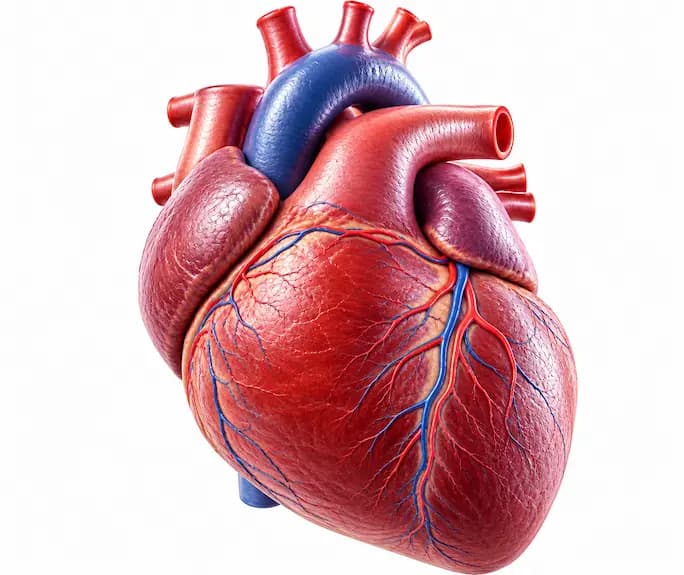
Heart
- Cardiac cell protection
- Reduced inflammation
- Support for tissue repair

Cell science
for a better future
Scientific evidence
regenerative potential in organs and tissues
Umbilical cord MSCs and their exosomes have been widely studied for their ability to modulate the cellular microenvironment, reduce inflammation and support damaged tissue repair.
Small vesicles. Great possibilities.
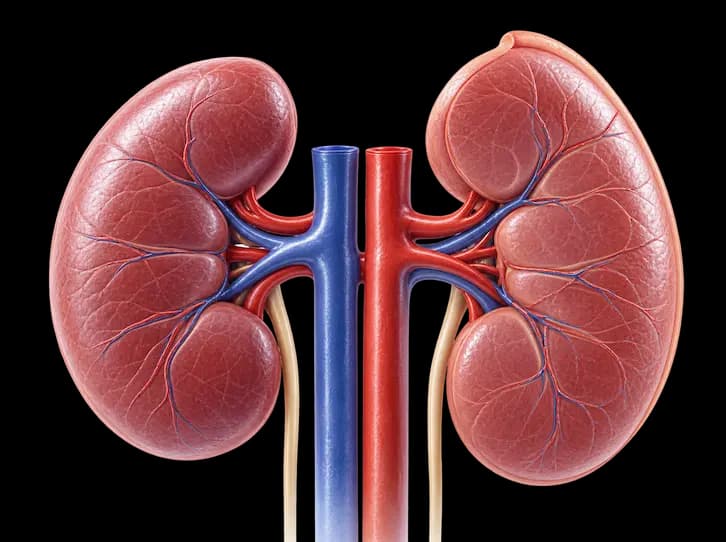
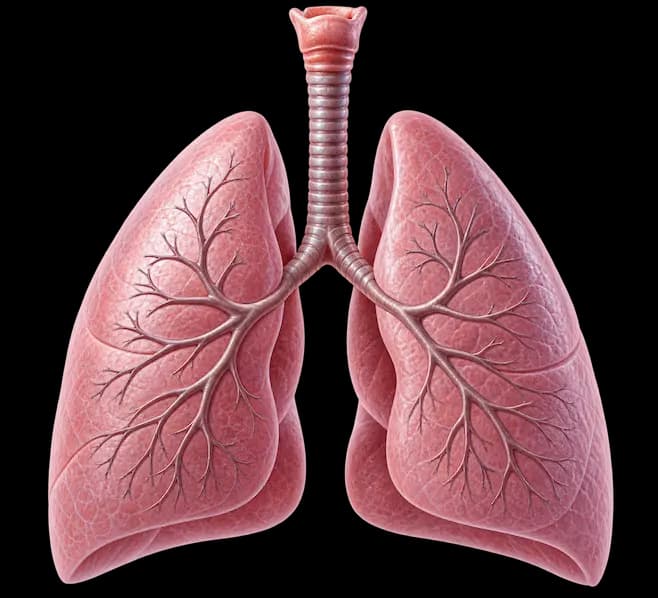
Applications in different organs and tissues
Research evidence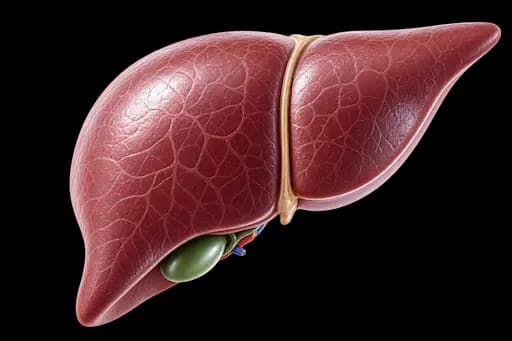
How do they act?
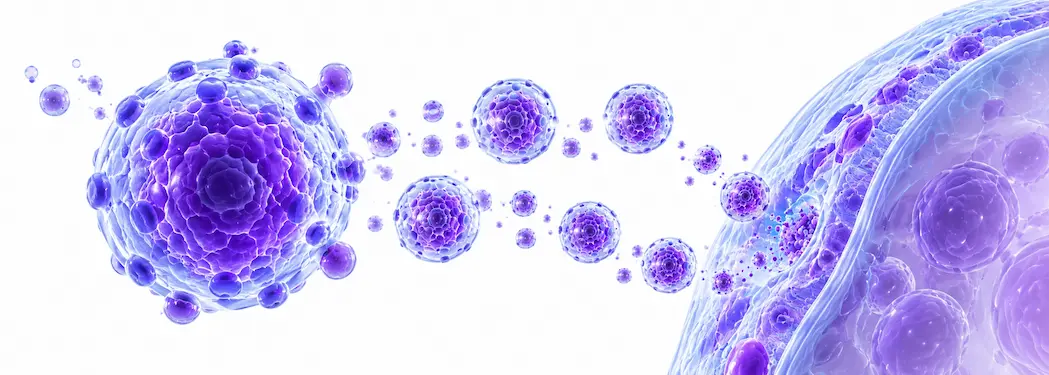
MSCs and their exosomes release bioactive molecules (proteins, lipids and microRNA) that communicate with other cells, modulating key processes such as inflammation, cell survival, proliferation and tissue repair.
Main described effects
Inflammation modulation
Cell protection
Stimulation of tissue repair
Angiogenesis
Cellular microenvironment regulation
Umbilical cord MSCs and their exosomes represent a promising research line within regenerative medicine, with potential applications in diverse organs and tissues.
Scientific references
Wang X-L. et al. (2018).
Umbilical cord mesenchymal stem cell-derived exosomes: a novel therapeutic strategy for cardiovascular diseases.
Stem Cell Research & Therapy, 9, 238.
Li T. et al. (2013).
Exosomes derived from human umbilical cord mesenchymal stem cells attenuate liver fibrosis in rats.
Stem Cells and Development, 22(6), 845–854.
Ding N. et al. (2025).
Umbilical cord mesenchymal stem cell-derived exosomes: multifunctional roles in organ repair and regenerative medicine.
Frontiers in Cell and Developmental Biology, 13, 1532178.