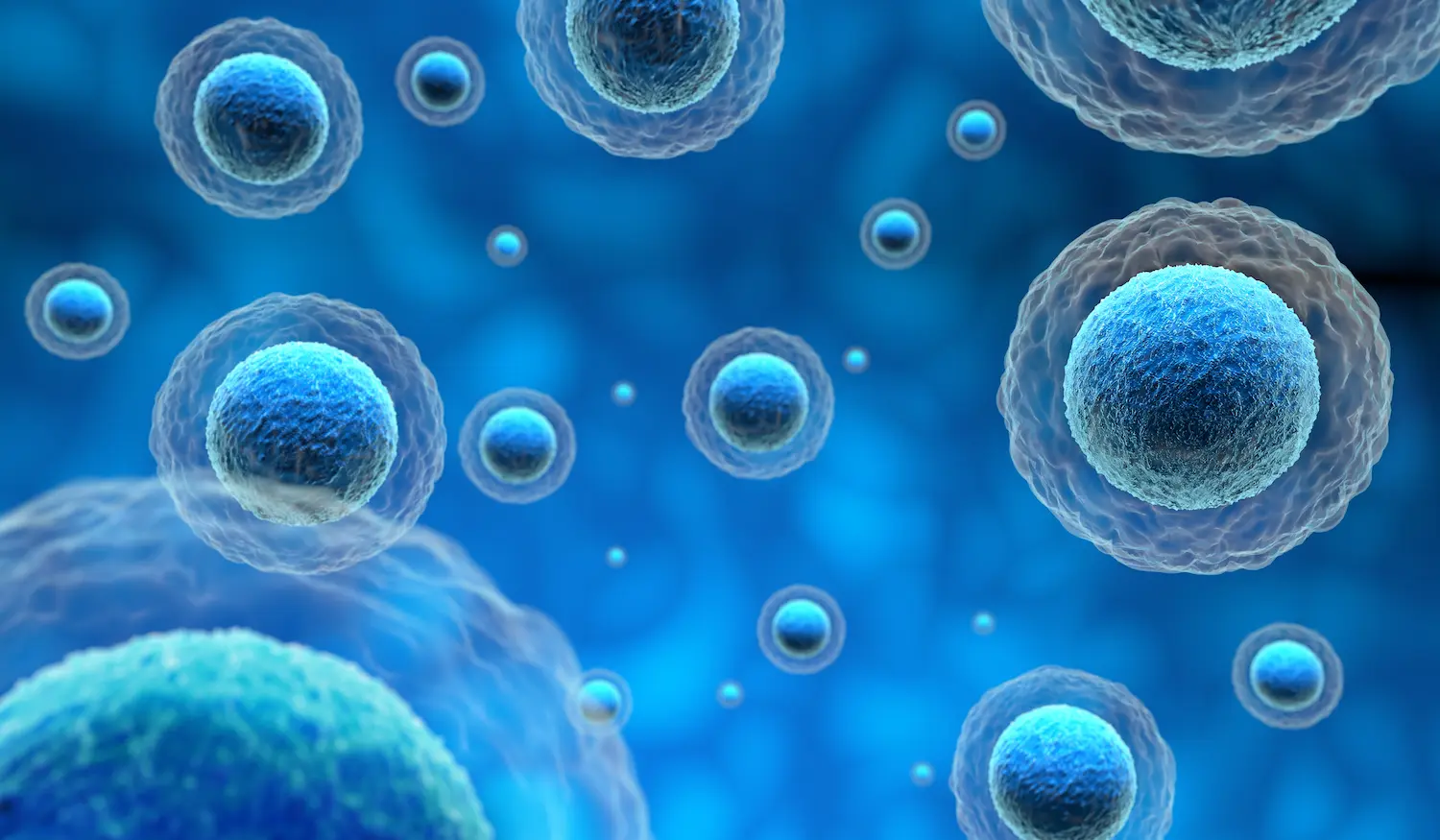
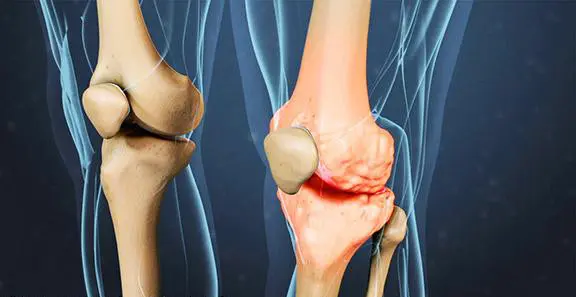
The article is a comprehensive review that positions Mesenchymal Stem Cells (MSCs) as a promising approach with great potential to transform the field of regenerative medicine and immune-mediated inflammatory diseases.
Mechanism of Action
It points out that the therapeutic effect of Mesenchymal Stem Cells (MSCs) is not primarily based on differentiation and replacement of damaged cells, but rather on their paracrine potential (secretion of soluble factors) and the role of their extracellular vesicles (EVs), including exosomes. These secretions are responsible for most of their biological effects.
Clinical Applications
It discusses the application of Mesenchymal Stem Cells (MSCs) in a wide range of pathologies, including graft-versus-host disease (GVHD), autoimmune diseases, and neurodegenerative disorders.
Challenges
It addresses the challenges of Mesenchymal Stem Cell (MSC) therapy, such as low in vivo cell survival and engraftment, and proposes engineering strategies (such as genetic modification or preconditioning) to enhance their efficacy and overcome clinical limitations.
Benefits of Mesenchymal Stem Cells (MSCs) According to the Article
The article highlights the following therapeutic benefits of Mesenchymal Stem Cells, driven by their paracrine and immunological mechanisms:
1. Immunomodulation and Anti-Inflammatory Effects
They have the ability to suppress excessive immune responses by inhibiting the proliferation of peripheral blood mononuclear cells (PBMCs) and modulating the activity of various immune cells (T lymphocytes, dendritic cells, NK cells).
This effect is crucial for the treatment of autoimmune and inflammatory diseases (such as lupus or rheumatoid arthritis) and for preventing graft rejection.
2. Regenerative Medicine and Tissue Protection
They release a variety of trophic factors that promote the survival, proliferation, and migration of endogenous host cells.
They contribute to angiogenesis (formation of new blood vessels), which improves vascularization of damaged tissues.
They exert antifibrotic (prevent excessive scar tissue formation) and antioxidant effects.
3. Neuroprotective Potential
It suggests their application in neurodegenerative disorders through mechanisms that include reduction of neuronal inflammation, promotion of neuron survival, and modulation of the brain microenvironment.