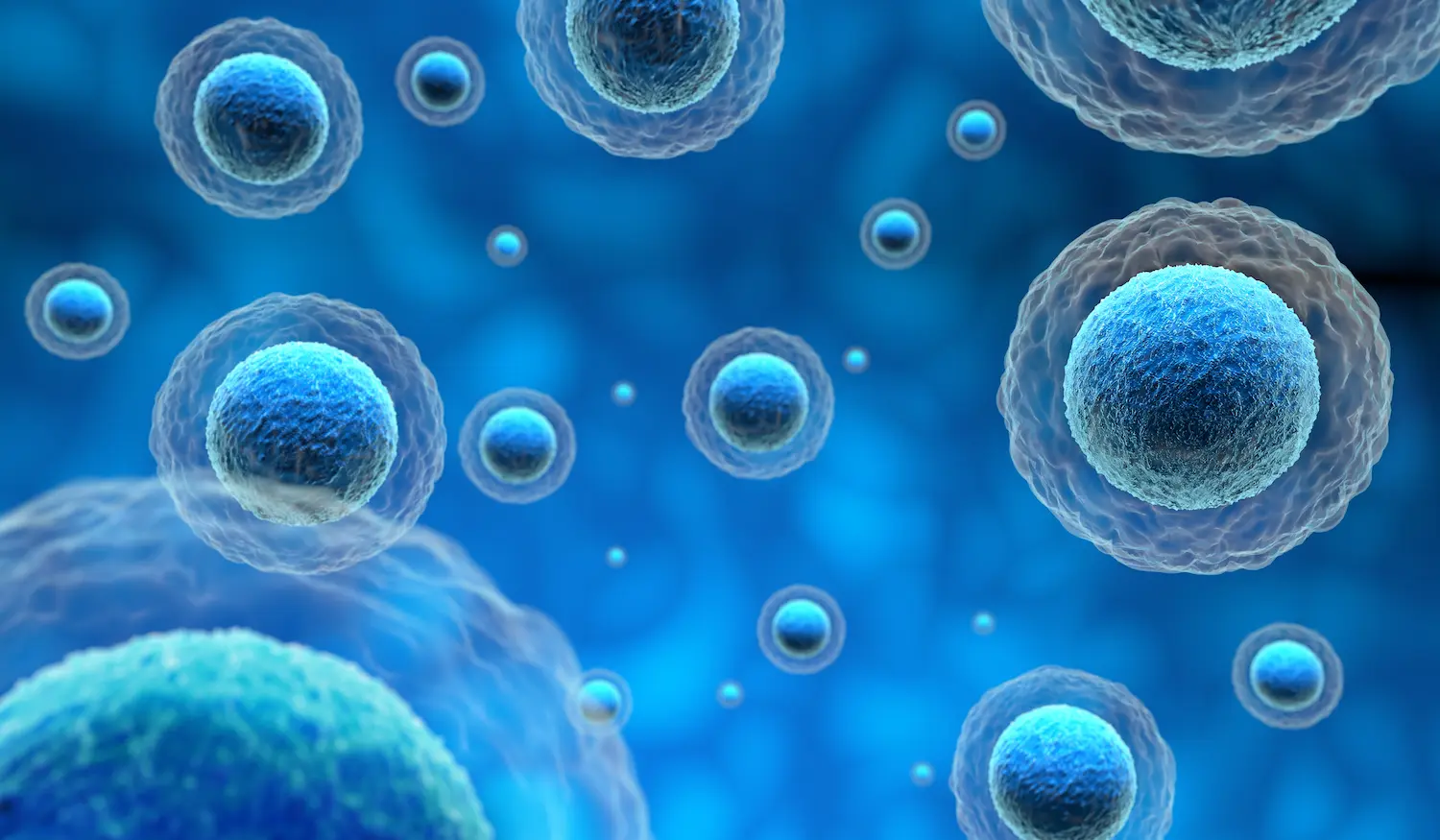
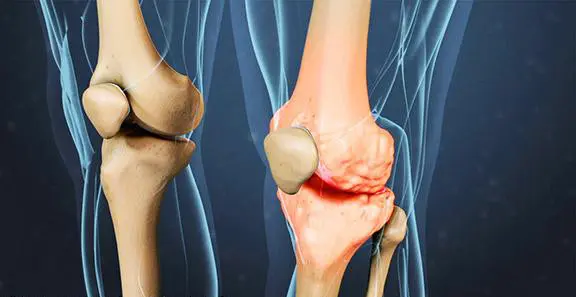
This review focuses on the mechanisms and clinical applications of Mesenchymal Stem Cells (MSCs) and their extracellular vesicles (Exosomes) in tendon and ligament regeneration.
Background: Tendons and ligaments have limited intrinsic healing capacity, and traditional therapies often result in the formation of low-quality scar tissue. Mesenchymal Stem Cells (MSCs) offer a promising alternative.
Dual Mechanism: The article emphasizes that although Mesenchymal Stem Cells (MSCs) can differentiate into tenocytes and ligament cells, their primary therapeutic effect is attributed to their paracrine function, including the release of growth factors and extracellular vesicles (Exosomes).
Exosome Potential: The use of MSC-derived exosomes (cell-free therapy) is highlighted as an emerging and potentially superior strategy to avoid safety and cell survival concerns associated with direct stem cell injection.
Applications: The review concludes that current research strongly supports the use of Mesenchymal Stem Cells (MSCs) and their exosomes to significantly improve soft musculoskeletal tissue repair and biomechanical properties.
Benefits of Mesenchymal Stem Cells (MSCs) According to the Article (In Tendons and Ligaments)
The article highlights the following benefits of Mesenchymal Stem Cells (MSCs) and their derivatives in musculoskeletal repair:
1. Promotion of High-Quality Tissue Regeneration
- Stimulate the proliferation and migration of endogenous tenocytes and fibroblasts (native tissue cells).
- Modulate the local microenvironment to improve extracellular matrix (ECM) composition, resulting in repaired tissue with superior biomechanical properties (stronger and more elastic) compared to scar tissue.
2. Anti-Inflammatory and Immunomodulatory Effects
- Help regulate the inflammatory response after injury, which is crucial to prevent secondary damage and ensure an organized healing process.
3. Promotion of Angiogenesis
- Release factors that stimulate new blood vessel formation, improving oxygen and nutrient supply to the injury site, which is essential for proper healing.
4. Antifibrotic Properties
- Mesenchymal Stem Cells (MSCs) and their exosomes help reduce fibrosis (excessive scar tissue formation), a common issue in tendon and ligament healing that limits long-term function.